Halo Hair Extensions: The Complete Guide to Choosing the Right One
If you've ever dreamed of having longer, fuller hair without spending hours in a salon, halo hair extensions might be exactly what you're looking for.
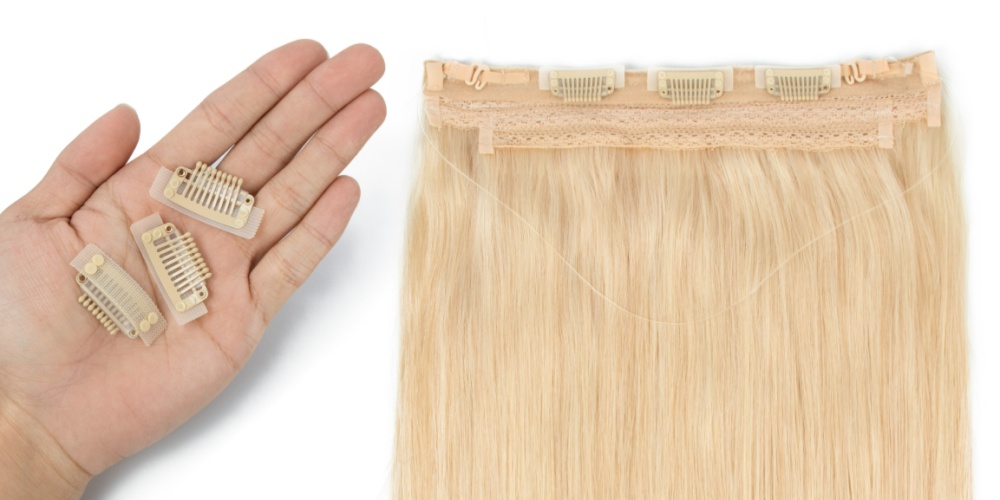
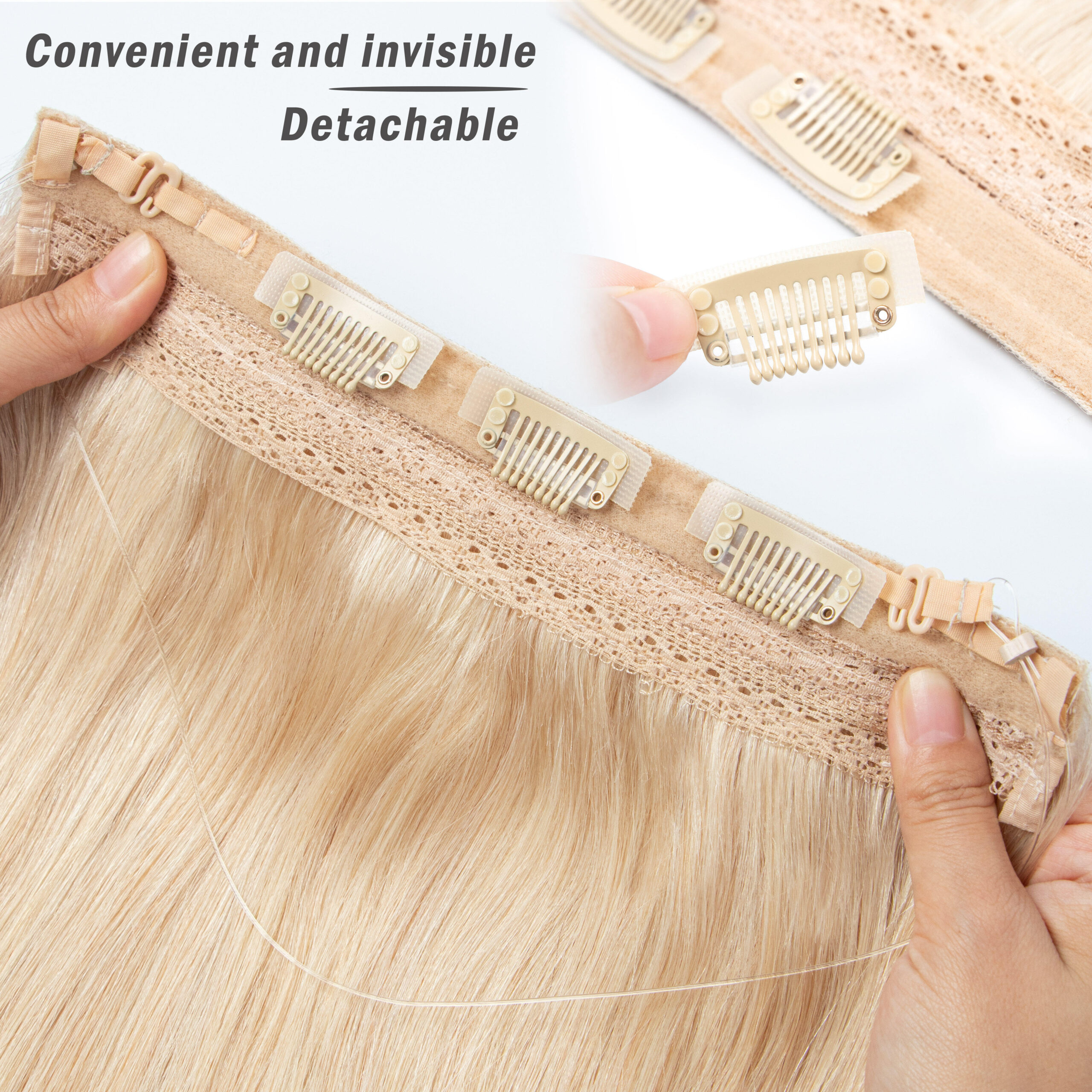
Unlike tape-in or sew-in extensions, a halo extension doesn't use glue, clips, or adhesives. Instead, it sits comfortably on your head with a nearly invisible wire, allowing you to add instant length and volume in just a few minutes.
But are halo hair extensions the right choice for everyone? The answer depends on your hair type, styling habits, and what you expect from your extensions.
In this guide, you'll learn how halo hair extensions work, their biggest advantages and disadvantages, how they compare with other popular extension methods, and what to look for before buying your first halo. By the end, you'll have all the information you need to choose the right one with confidence.
What Are Halo Hair Extensions?
Halo hair extensions are a temporary hair extension designed to add length and volume without attaching directly to your natural hair.
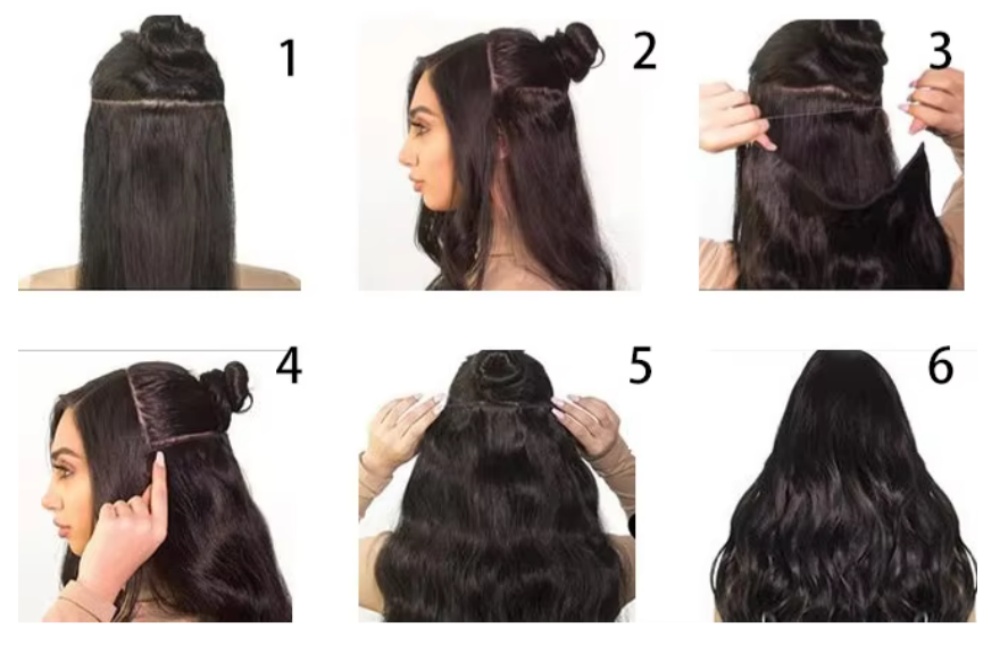
Instead of using clips, tape, or glue, the extension is connected to a thin, transparent wire that rests gently around the crown of your head. Once the wire is in place, a small layer of your own hair is brushed over it, completely hiding the wire and creating a seamless blend.
The result is fuller, longer hair that looks natural while remaining lightweight and comfortable to wear. One of the biggest reasons halo extensions have become so popular is their simplicity. Even if you've never worn extensions before, most people can learn to put one on in just a few minutes. There's no salon appointment, no special tools, and no complicated installation process.
How Do Halo Hair Extensions Work?
Although they may look different from traditional extensions, the idea is surprisingly simple.
The invisible wire sits securely around the widest part of your head, using its natural shape to keep the extension in place. Your own hair acts as a cover, concealing the wire while blending with the extension underneath.
Because the extension isn't attached strand by strand, there's very little tension on your natural hair. Many users find halo extensions more comfortable than clip-ins, especially when worn for several hours.
< Product Recommendation: Halo Hair Extensions>
Halo Hair Extensions vs. Other Extension Methods
Every extension method has its own advantages, and the best choice depends on your lifestyle.
Extension Type
Installation
Daily Removal
Best For
Halo Extensions
DIY in minutes
Yes
Quick length and volume
Clip-In Extensions
DIY
Yes
Flexible styling
Tape-In Extensions
Professional
No
Long-term wear
Sew-In Wefts
Professional
No
Thick hair and extended wear
If you enjoy changing your hairstyle whenever you like, halo extensions offer one of the easiest and most convenient solutions.
Why Are Halo Hair Extensions So Popular?
Halo extensions have become one of the fastest-growing hair extension methods for a simple reason—they fit modern lifestyles.
Many women want the freedom to switch between different hairstyles without committing to permanent extensions or frequent salon visits. Halo extensions make that possible.
Here are some of the biggest benefits.
They Take Just Minutes to Apply
One of the biggest advantages is convenience.
Unlike professional extensions that may take hours to install, a halo extension can usually be fitted in less than five minutes. It's an ideal option for busy mornings, last-minute events, or anyone who wants great-looking hair with minimal effort.
They're Comfortable to Wear
Instead of placing pressure on individual strands, the extension's weight is evenly balanced around your head.
When fitted correctly, a quality halo should feel secure without feeling heavy, making it comfortable enough for everyday occasions and special events alike.
They're Gentle on Natural Hair
Because there's no glue, tape, or heat involved, halo extensions are considered one of the least invasive extension methods.
For anyone trying to avoid unnecessary stress on their natural hair, they're an excellent alternative to more permanent options.
They Look Natural
A well-made halo extension blends smoothly with your own hair, creating natural movement and fullness.
Choosing the right length, color, and hair quality plays a big role in achieving an undetectable finish.
Pros and Cons of Halo Hair Extensions
Like any hair extension method, halo extensions aren't perfect for everyone.
Understanding both the advantages and limitations will help you make a more informed decision.
Pros
Easy to apply, even for beginners.
No glue, tape, or clips.
Comfortable for occasional or regular wear.
Reusable with proper care.
Adds instant length and volume.
Can be styled just like natural hair when made from 100% human hair.
Cons
Not ideal for very short hairstyles.
Should be removed before sleeping or swimming.
Adds most of its volume to the back rather than the sides.
Requires a good color and length match for the most natural blend.
For many people, the advantages far outweigh the disadvantages—especially if convenience and flexibility are your priorities.
Who Should Choose Halo Hair Extensions?
Halo hair extensions are designed for convenience, but they're not a one-size-fits-all solution. Knowing who they work best for can help you decide whether they're the right investment.
They're an excellent choice if you:
Want longer or fuller hair without a salon appointment.
Like changing your hairstyle for weekends, vacations, or special occasions.
Prefer a temporary solution instead of permanent extensions.
Have fine to medium hair and want extra volume.
Are new to hair extensions and want something simple to apply.
Halo extensions are also a popular choice for brides, content creators, and professionals who want polished, photo-ready hair without committing to permanent extensions.
Who Might Prefer Another Method?
While halo extensions suit many people, they may not be the best option if you:
Have a very short pixie cut or heavily layered haircut.
Want to wear extensions 24/7.
Regularly wear high ponytails or sleek updos.
Need maximum volume around the entire head.
In these cases, tape-in, weft, or clip-in extensions may provide better styling flexibility.
The good news is that many women use more than one extension method. A halo is perfect for quick transformations, while permanent extensions are ideal for those who want everyday length without daily application.
Halo Hair Extensions vs. Clip-In Extensions
Halo and clip-in extensions are two of the most popular DIY options, but they offer different benefits.
Feature
Halo Hair Extensions
Clip-In Extensions
Installation Time
2–5 minutes
10–15 minutes
Number of Pieces
One
Multiple wefts
Comfort
Lightweight
Depends on the number of clips
Beginner Friendly
Excellent
Good
Styling Options
Best for wearing hair down
More versatile for updos
Which One Is Better?
If your priority is speed and simplicity, halo hair extensions are hard to beat. A single piece creates instant volume with very little effort, making them ideal for everyday wear or special occasions.
Clip-in extensions offer more flexibility because you can place each weft exactly where you need extra fullness. They're a better choice if you enjoy experimenting with ponytails, braids, or half-up hairstyles.
There's no universal winner—it simply depends on how you style your hair.
Halo Hair Extensions vs. Tape-In Extensions
Tape-in extensions are designed for long-term wear, while halo extensions are made for flexibility.
Feature
Halo Hair Extensions
Tape-In Extensions
Installation
DIY
Professional recommended
Wear Time
Remove daily
6–8 weeks
Maintenance
Minimal
Regular salon visits
Hair Damage Risk
Very low
Low when properly maintained
Cost
Lower upfront investment
Higher overall cost
If you love changing your hairstyle whenever you choose, halo extensions are the more convenient option.
If you prefer waking up every morning with longer hair already in place, tape-in extensions may be worth the extra maintenance.
How to Choose the Right Halo Hair Extensions
Not all halo extensions are created equal. Choosing the right one will make the difference between an extension that blends beautifully and one that looks obvious.
Here are the four things to focus on.
<Extended Reading: How to Choose Hair Extensions from Professional Hair Extension Brands>
1. Choose the Right Length
Longer isn't always better.
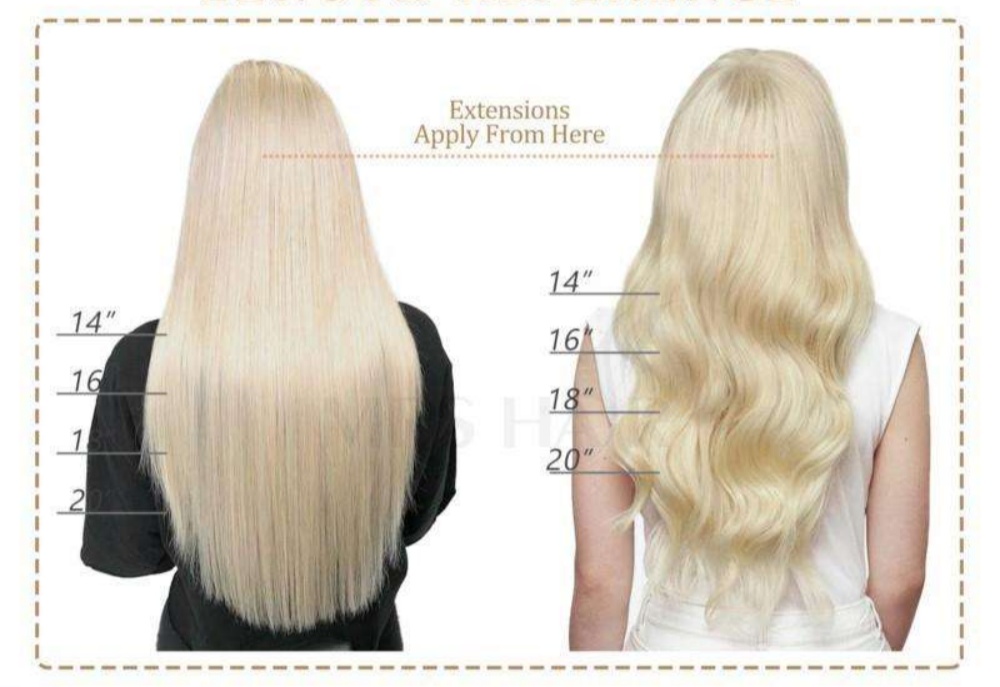
For the most natural blend, choose a halo that's around 4–8 inches longer than your own hair.
Your Hair Length
Recommended Halo Length
Shoulder Length
16–18 inches
Below Shoulders
18–20 inches
Mid-Back
20–24 inches
If you're buying your first halo, a moderate length is usually easier to blend than extra-long extensions.
2. Select the Right Weight
The weight of your halo affects both comfort and fullness.
As a general guide:
80–100g:Fine hair with light volume.
120–140g:Medium hair and everyday wear.
160g+:Thick hair or dramatic volume.
Choosing a halo that's too heavy for your natural hair can make blending more difficult, so it's always better to match the extension to your hair density rather than simply choosing the thickest option.
3. Match the Color Carefully
A perfect color match is more important than an extra inch of length.
Natural hair isn't one flat color—it contains highlights, lowlights, and subtle variations. That's why many premium halo extensions are available in multi-tonal shades that blend more naturally.
If you're unsure between two shades, it's often easier to blend a slightly lighter color than one that's too dark.
4. Choose 100% Remy Human Hair
Hair quality has the biggest impact on how your halo looks and how long it lasts.
While synthetic extensions are more affordable, they don't offer the same softness, movement, or styling flexibility as human hair.
A 100% Remy human hair halo extension allows you to:
Curl or straighten the hair.
Enjoy a more natural shine.
Reduce tangling.
Extend the lifespan with proper care.
It's an investment that pays off in both appearance and durability.
Expert Tip
One of the easiest ways to spot a high-quality halo extension is to look at the ends.
Premium human hair extensions should feel full and healthy from top to bottom. If the ends appear thin, dry, or wispy when they're new, the extension is unlikely to maintain a natural look after regular wear.
Likewise, the invisible wire should feel secure without being overly tight. A well-designed halo stays comfortably in place while remaining virtually undetectable beneath your natural hair.