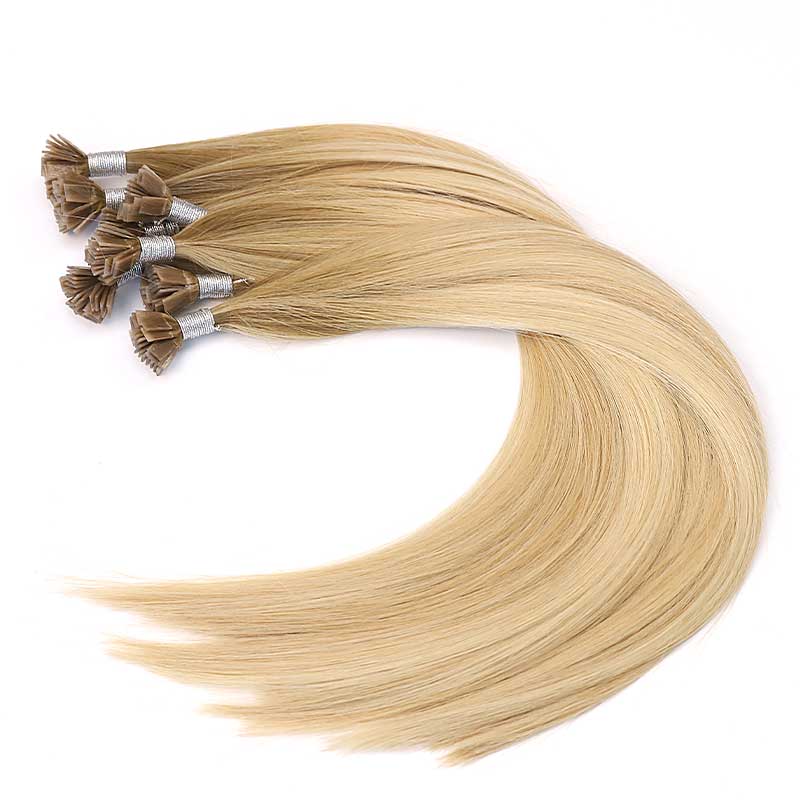
Do K Tip Extensions damage your hair? It is one of the first questions clients ask when considering keratin tip hair extensions. Because K Tips are bonded directly to sections of natural hair, many clients worry about breakage, thinning, or tension at the roots.
The short answer: K Tip Extensions do not inherently damage natural hair when they are properly selected, installed, maintained, and removed by a trained professional. Problems come from how the extensions are handled, not from the K Tip method itself.
In this guide, we will look at what K Tip Extensions are, what causes damage, whether they suit fine hair, and how proper installation, maintenance, and removal keep natural hair healthy.
What Are K Tips?
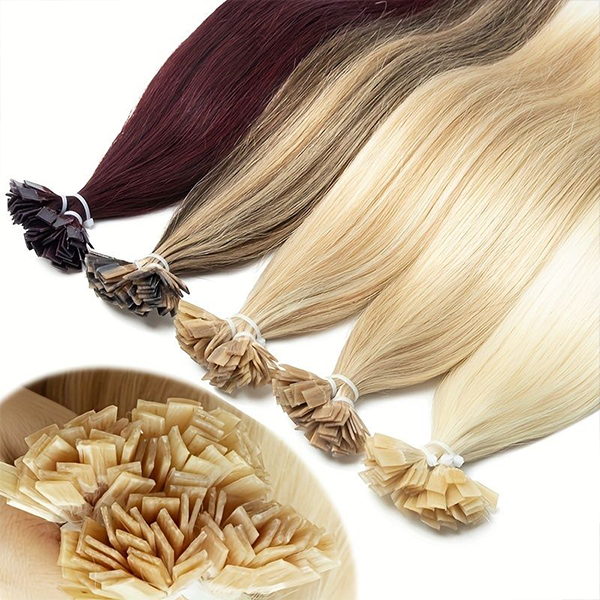
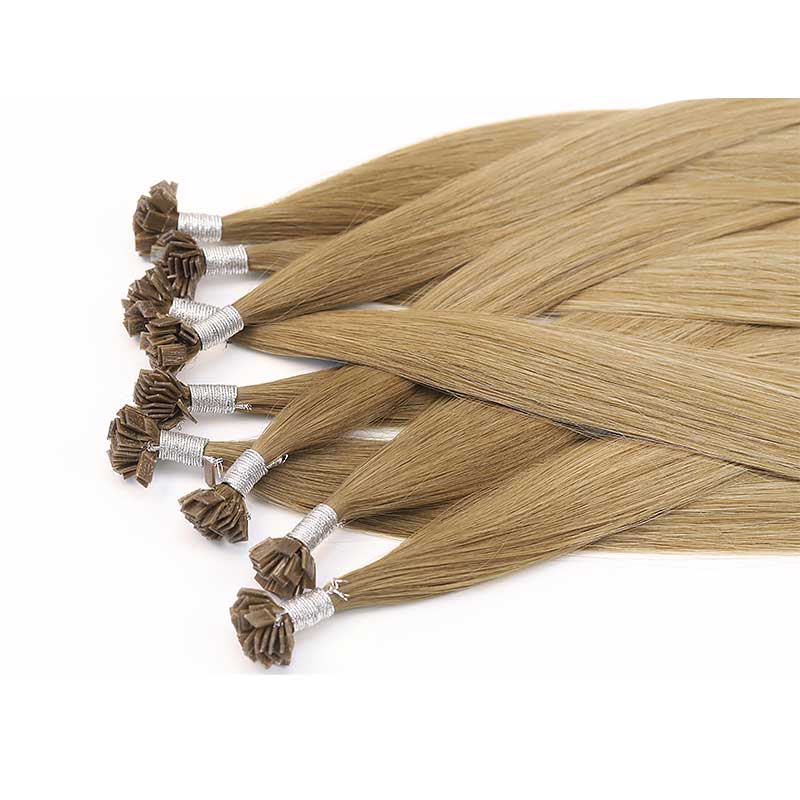
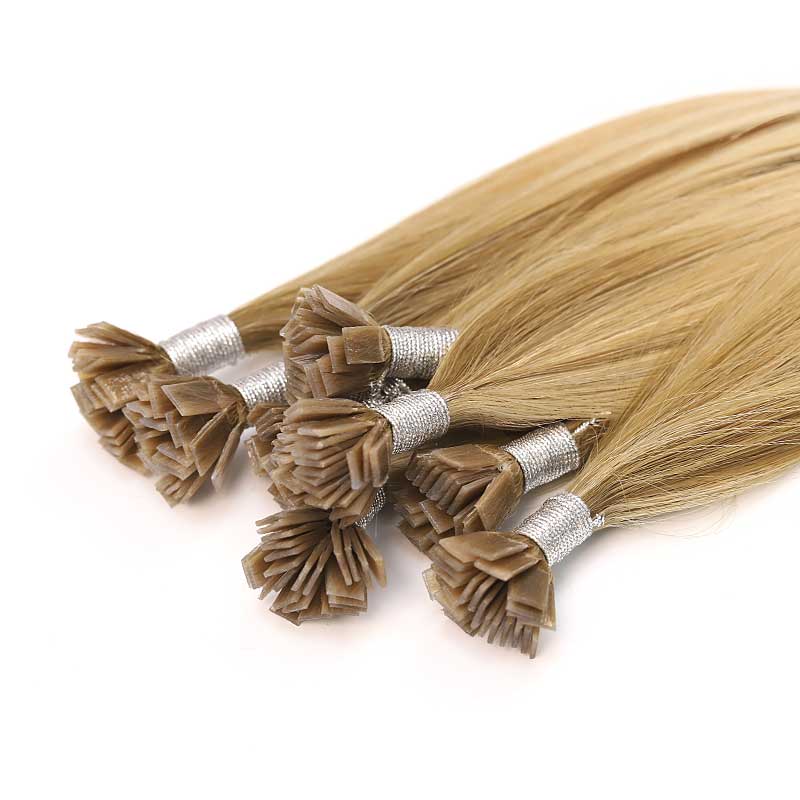
K Tip Extensions, also called keratin tip extensions, are individual strands of human hair with a small keratin bond at one end. A stylist heats the bond with a professional tool and attaches it to a small section of natural hair near the root.
Weft extensions go in as one long strip. K Tips go in strand by strand, which is what lets them settle into the client's hair and move like their own.
Why Choose Keratin Tip Hair Extensions?
A discreet bond
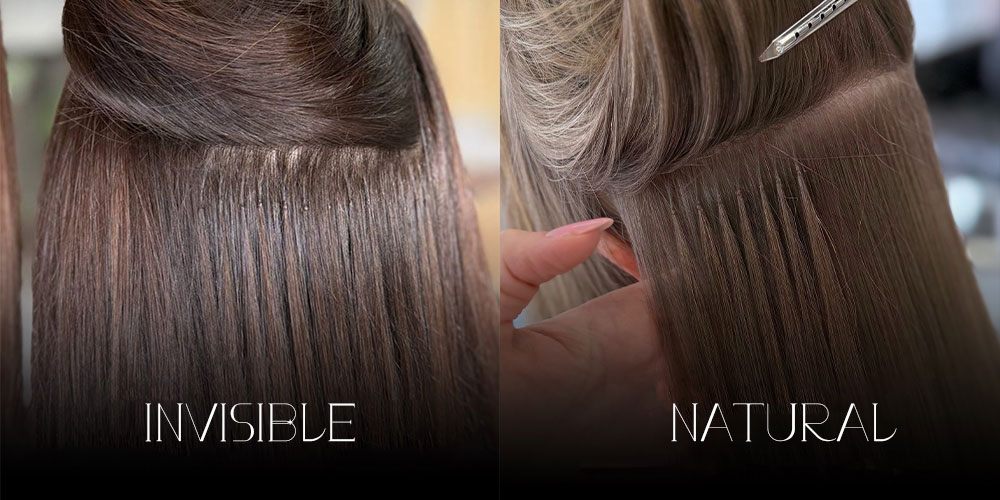
The small keratin bond sits close to the root and stays hidden, even when the hair is worn up.
Natural movement
Each strand moves on its own, so the extensions sway with the hair instead of sitting stiffly on top of it.
Flexible styling
Because K Tip Extensions are typically 100% human hair, they can be cut, curled, straightened, and colored to match the client's look. Keep direct heat away from the keratin bonds.
Long wear
With proper care and regular maintenance, a set can be worn for around 3 to 6 months before it needs to be taken out and redone.
Professional installation and removal
Strand by strand application takes a few hours depending on how much hair is needed, and it should always be handled by a trained stylist.
What Causes Damage From K Tips Extensions?
K Tip Extensions are rarely the problem on their own. Damage is more likely when the strands are too heavy, poorly placed, or not maintained and removed properly. There are five common causes, and each one is preventable.
Too Much Weight
Longer or fuller extensions add weight, and thick, strong hair can carry more of it than fine or fragile hair. The amount and weight of the K Tips should match the client's hair density and condition.
Excessive Tension
K Tips should feel secure without tugging at the scalp. A bond set too tight, or hair pulled hard during installation, puts tension on the roots and leaves the client uncomfortable.
Incorrect Sectioning
Too little hair under a bond means the strand carries too much weight. Too much hair and the bond may not sit securely. Even sectioning spreads the weight across the scalp.
Poor Maintenance
As the hair grows, the bonds move away from the scalp, making the hair around them harder to brush and more likely to tangle. Leaving K Tips in past the recommended time also makes removal harder and adds stress to the hair.
Improper Removal
Pulling or forcing a keratin bond off can take natural hair with it. Removal matters as much as installation, so the bond should be loosened with the proper remover instead of being pulled out.
Are K Tip Extensions Safe for Fine Hair?
Yes, when they are fitted to the client. Fine hair carries less weight, so a stylist may use lighter strands, smaller sections, or fewer bonds. Extra care belongs around the hairline, temples, and anywhere the hair is finer or more fragile. If the hair is already breaking or badly weakened, extensions should wait until a professional has checked its condition.
How Should K Tips Be Installed Professionally?
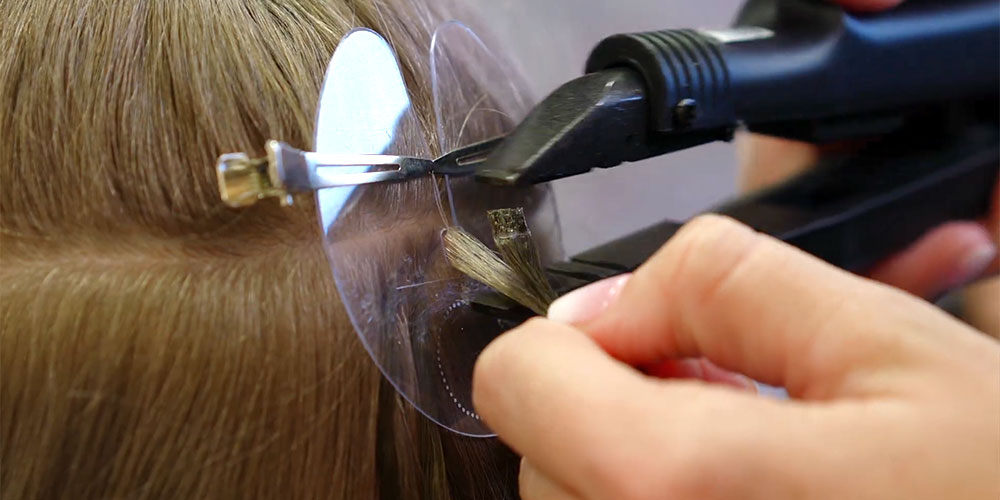
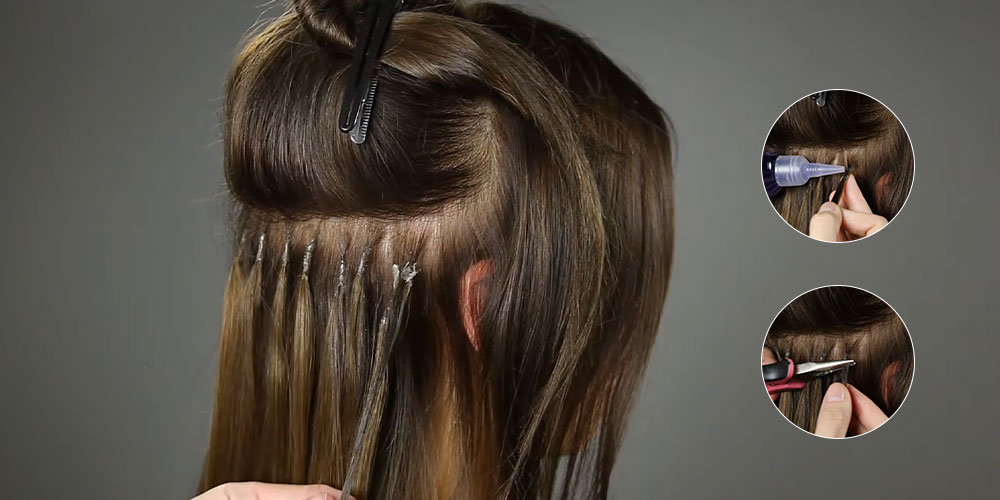
Professional keratin hair extensions installation should fit the client's hair and the look they want. The exact technique varies from stylist to stylist, but the process generally runs like this:
Wash and dry the hair completely, leaving the roots free of conditioner and heavy product.
Section the hair into even, workable parts.
Isolate a small section of natural hair for each strand.
Place the keratin tip near the root, but not directly against the scalp.
Use a professional heat tool to activate the keratin.
Shape and seal the bond around the natural hair.
The stylist works strand by strand until the length, volume, and density are right. Even sectioning, spacing, and weight distribution keep the extensions sitting securely without pulling at the roots.
How Should You Maintain keratin hair extensions?
Brushing
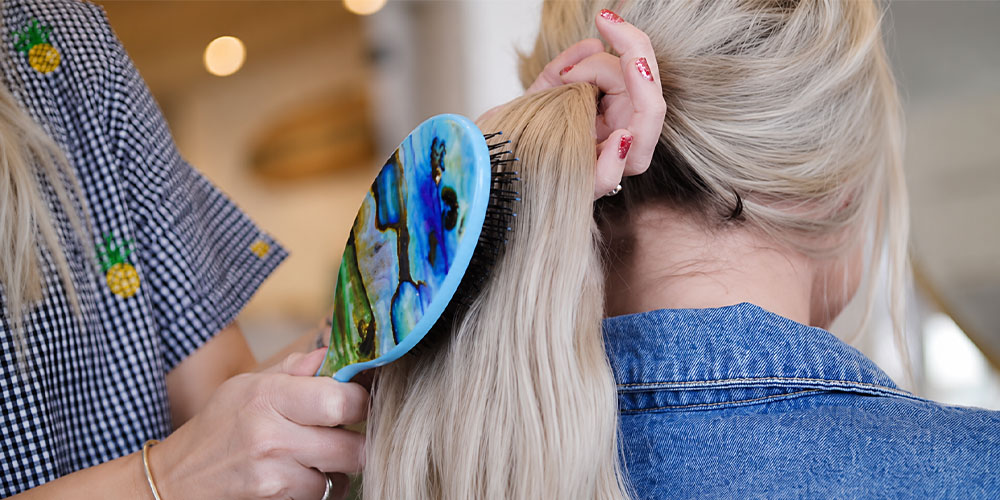
Clients should brush gently from the ends upward and go slow around the bonds. Holding the hair near the roots while detangling eases the pull, especially when the hair is wet.
Heat styling
Heat styling is fine when done carefully: use a heat protectant and never aim direct heat at the keratin bonds.
Hairstyles and night care
Before bed, the hair should be fully dry and gently detangled, and a loose braid or low ponytail cuts down on overnight tangling. Tight ponytails, buns, and other styles that keep constant tension on the roots are worth avoiding.
How long do K Tip Hair Extensions last?
k tips hair extensions aren't meant to stay in forever. As the hair grows, the bonds drift away from the scalp, which makes the extensions harder to brush, style, and wear comfortably. Most clients get 3 to 6 months from a set before it needs to be taken out and professionally redone, depending on how fast the hair grows and how well it is cared for.
Plan on a maintenance check every 4 to 6 weeks so the stylist can catch tangling or excess tension early.
How Do Stylists Remove keratin extensions Safely?
Loosen the keratin bond with the proper bond remover.
Never pull the extension out while the bond is still holding hair.
Gently separate the strand once the bond is released.
Brush and check the hair before installing another set.
Seeing some shed hair during removal is normal. Hair sheds every day, and a few of those strands stay trapped inside the bonds until they come off. What should not be ignored is significant breakage or a lot of short, broken hair. After removal, the stylist should gently brush and check the hair before deciding whether another set is a good idea.
Final Thoughts
Get the weight right, section carefully, keep tension low, spell out aftercare, and remove the extensions the right way, and k tips become a practical way to add length and volume that looks natural, without putting the client's hair under more strain than it can take.
Looking for K Tip Extensions for Your Salon?
Choosing the right k tip hair extensions is only part of a safe installation. The weight, strand size, length, color, and overall construction all affect how the extensions perform on different hair types.
If you run a salon, style hair, or buy extensions for a business, we can help you choose k tip hair extensions that fit your clients and the services you offer. Contact us today to discuss k tip hair extensions for your salon.