If you’ve been scrolling through TikTok or Instagram lately, you’ve probably noticed stylists and influencers raving about butterfly weft hair extensions. But what makes them different from traditional extensions? And why are they becoming a favorite in salons worldwide?
Whether you’re a stylist looking to expand your services or a client curious about the latest hair trend, this guide will walk you through everything you need to know about butterfly wefts.
What Are Butterfly Weft Hair Extensions?
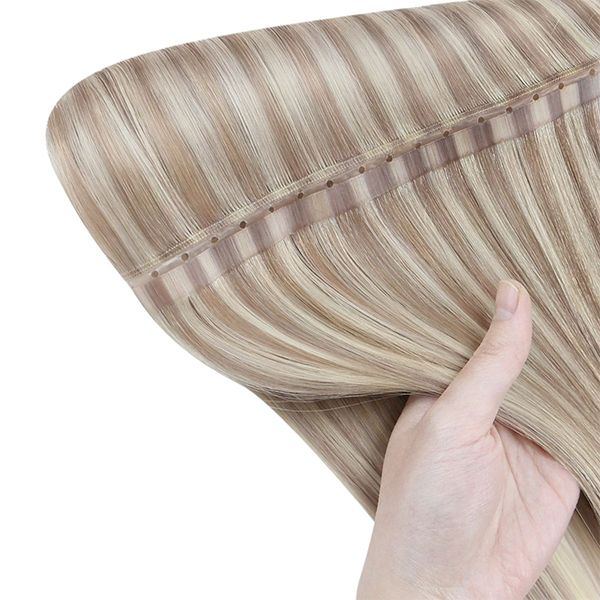
At their core, butterfly wefts are designed to blend seamlessly and move naturally with the hair. Traditional machine-tied wefts can feel bulky, while hand-tied ones are delicate and can snap under tension.
Butterfly wefts strike a perfect balance. They are strong enough to reuse. They are flat and flexible. They sit invisibly against the scalp.
Clients love them for their natural look and lightweight feel. Stylists appreciate how easy they are to work with, thanks to their flexibility and smooth, flat design.
Why Stylists and Clients Love Butterfly Wefts
Butterfly hair extensions are becoming a salon favorite for a reason: they make life easier for stylists and clients.
For clients:
Comfort is key. The flat design means no poking or tension points, unlike some older extension methods.
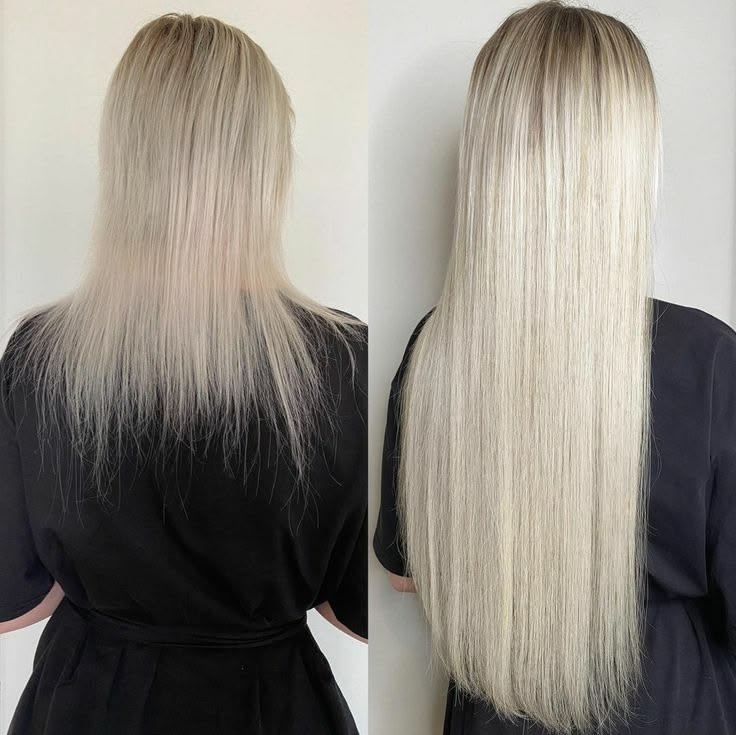
The wefts blend seamlessly with natural hair, creating that “is all this my real hair?” effect.
Hair falls naturally, giving a polished, effortless look.
For stylists:
Butterfly wefts save time and offer creative flexibility.
They can be cut without fraying, so you can create layers, face-framing sections, or stacked volume.
Placement, length, and layering are much easier to experiment with than traditional wefts, which makes installation less stressful.
For salons:
Offering butterfly wefts can attract clients looking for a premium, low-maintenance extension service.
The name itself—“butterfly”—evokes delicacy, luxury, and trendiness, making clients excited to book.
Installing Butterfly Weft Hair Extensions
Installing butterfly wefts is like hand-tied extensions, but they are lighter. This makes the process faster and easier. Here’s a simple step-by-step guide:
Prepare the hair: Section the natural hair carefully. Proper sectioning ensures an even, natural look.
Attach the wefts: Use microbeads or threads to secure each row. The flat wefts sit naturally without creating bulk.
Layer strategically: Take advantage of cuttable wefts to add layers, volume, or frame the face. They’re more versatile than hand-tied wefts, so don’t be afraid to get creative.
Check comfort: Comb through the hair to make sure there are no pressure points or uneven sections. Clients should feel almost weightless.
Proper care helps extend the life of your extensions. Stylists should provide clients with clear aftercare instructions:
Washing:
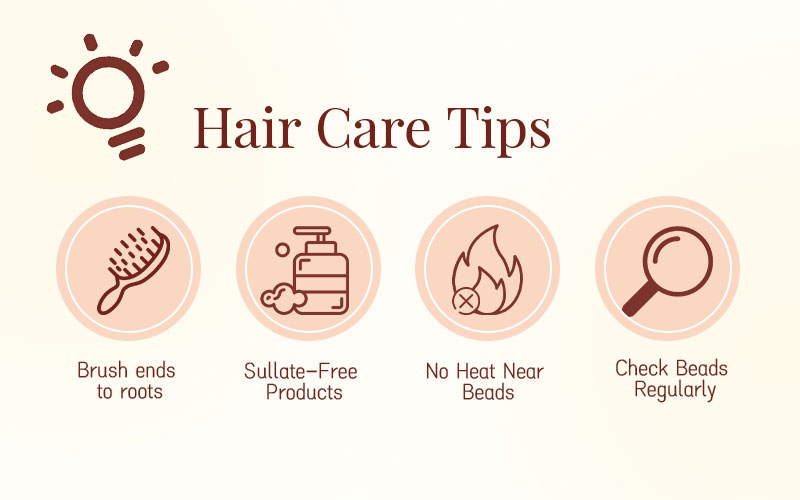
Use gentle, sulfate-free shampoos. Focus on the scalp and let the shampoo rinse through the ends.
Avoid harsh scrubbing, which can loosen the wefts.
Brushing:
Use a wide-tooth comb or loop brush. Start at the ends and work upward, gently detangling without pulling.
Styling:
Heat styling is safe with protection. Always use a thermal protectant.
Avoid heavy or oily products near the roots to prevent slippage.
Salon maintenance:
Clients should return every 6–8 weeks for adju As hair grows, you need to reposition the wefts to maintain a natural look
With proper care, butterfly wefts can last 6–9 months or longer if high-quality hair is used. This makes them cost-effective for clients and profitable for stylists.
Real-World Salon Applications
Butterfly wefts aren’t just functional, they also give salons creative opportunities:
Seasonal styling:Offer sun-kissed shades in summer and warm, rich tones in winter. Butterfly wefts accept color beautifully and layer naturally.
Upselling opportunities:Add treatments like custom coloring, toning, or deep conditioning for a full hair experience.
Creative freedom:Cuttable wefts let you craft face-framing layers, stacked volume, or custom lengths right in the salon.
Some stylists even call them “stress-free extensions,” which clients love. Easy styling, natural look, and low-maintenance upkeep make them a salon favorite.
Why You Should Try Butterfly Wefts
Butterfly wefts aren't a fleeting trend. They're a practical, stylist-approved solution. They balance comfort, durability, and beauty.
Clients enjoy natural, lightweight, and versatile hair.
Stylists benefit from easier installation, flexibility, and the ability to offer premium services.
Whether you’re a stylist expanding your menu or a client wanting easy, full hair, butterfly wefts are worth a try. Choosing high-quality hair from a trusted supplier ensures consistent, long-lasting results.
Bring butterfly wefts extensions into your salon, elevate your extension services, and give clients the confidence that comes with flawless, natural looking hair.
How long do butterfly hair extensions last?
With proper care, they can last 6–9 months. Regular salon visits every 6–8 weeks keep them looking their best.
Can they be reused?
Yes! They’re durable and can be reinstalled multiple times, making them cost-effective for clients and profitable for stylists.
What’s the difference between butterfly wefts and hand-tied wefts?
Hand-tied wefts are thin and fragile. Butterfly extensions are just as flat but much sturdier, and they can be cut, layered, and reused without fraying.
Are they safe for fine hair?
Yes. The flat, lightweight design reduces tension, making them suitable for thin or fragile hair.
How should clients style their hair?
Clients can curl, straighten, braid, or wear ponytails as usual. The key is to always use heat protectant and avoid heavy products near the roots.